GUIDE
ASIC vs GPU mining: which one actually makes sense for you
ASICs win on efficiency and lose on flexibility. GPUs are the reverse. The right answer depends on which coin you are mining and how long you intend to.


Quick answer
ASICs are far more efficient but can only mine one algorithm and become worthless when it stops paying. GPUs are less efficient, mine many algorithms and hold resale value outside mining entirely.
The choice is usually framed as a performance question. It is really a question about optionality.
What an ASIC is
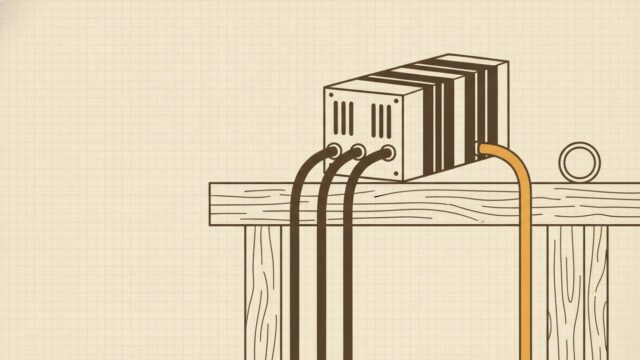
An application-specific integrated circuit does exactly one thing: compute one hashing algorithm, as fast and as efficiently as silicon allows. On its own algorithm it beats a GPU by roughly an order of magnitude on efficiency, which is the number that decides survival.
The cost is total inflexibility. A SHA-256 miner mines Bitcoin and coins sharing that algorithm, and nothing else, ever. If that becomes unprofitable, the machine is scrap metal with a fan. There is no second market for it outside mining.
What a GPU gives up and gets back
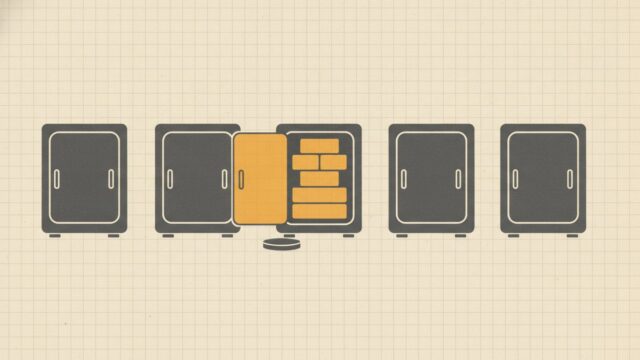
A GPU is dramatically less efficient at any specific algorithm. In exchange you get two things. You can switch coins when economics change, which matters more than people expect over a multi-year horizon. And when mining stops making sense entirely, the card is still worth real money to gamers, researchers and anyone doing machine learning.
That residual value is the honest argument for GPUs, and it belongs in your break-even calculation rather than being treated as a bonus.
How to decide
If you are mining Bitcoin, the decision is made for you: GPU mining Bitcoin has not been viable for well over a decade. If you are mining something ASIC-resistant by design, likewise, in the other direction.
The genuine decision is in the middle, and it comes down to your time horizon and your tolerance for a total write-off. An ASIC is a concentrated bet on one algorithm staying profitable for the life of the machine. A GPU rig is a diversified, less efficient position with an exit.
The mistake both camps make
Comparing purchase prices instead of cost per unit of hashrate per watt. A cheap machine that draws more power is more expensive within months. Run both through the calculator with your real electricity rate before comparing anything else.
Related reading
- Why mining difficulty adjusts, and what it does to your returns — The difficulty adjustment keeps block times steady no matter how much hashrate joins. It is also the reason
- Mining profitability: the only four numbers that actually matter — Hashrate, efficiency, electricity price and network difficulty decide whether a miner pays. Everything else is noise. Here is
- Best mining software in 2026, compared on what actually differs — Mining clients differ on dev fee, hardware support, failover and transparency. We compare the main options on those
Key takeaways
- An ASIC is a bet on one algorithm remaining profitable.
- GPUs retain value in a market that has nothing to do with mining.
- Efficiency favours ASICs by roughly an order of magnitude on their own algorithm.
Risk notice
Mining returns depend on coin price, network difficulty, block reward and electricity cost, all of which change continuously. Figures here are a snapshot under stated assumptions, not a forecast. This is not financial advice.
Frequently asked questions
Can I still GPU mine Bitcoin?
No, not economically. ASICs outperform GPUs on SHA-256 by such a margin that a GPU cannot cover its own electricity.
Do ASICs really become worthless?
Older generations frequently sell for a small fraction of their original price, and some cannot cover electricity anywhere. Assume a low residual value rather than a high one.
Sources