EXPLAINER
Bitcoin transaction fees explained: why yours was high and how to pay less
Bitcoin fees are priced per byte of block space, not per amount sent. Understanding that explains almost every surprising fee.

Quick answer
You pay for the size of your transaction in bytes, not the amount you send. A transaction combining many small inputs is physically larger and therefore costs more, regardless of value.
The single most common confusion about Bitcoin fees is thinking they scale with the amount sent. They do not, and once that clicks, most surprising fees explain themselves.
You are buying space, not settlement
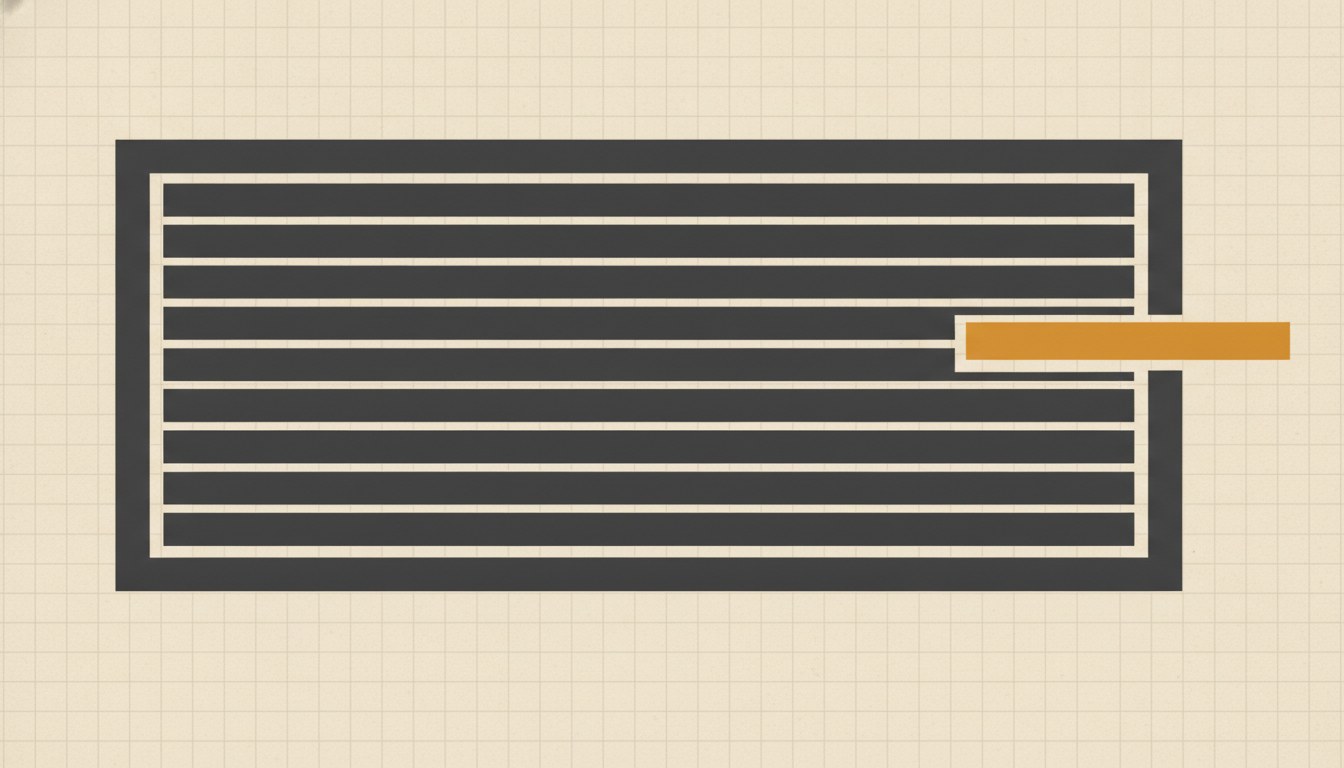
Blocks have a limited size and miners include the transactions offering the most fee per byte. So your fee is a bid for physical space, and what determines your cost is how many bytes your transaction occupies.
Why your transaction might be large
Bitcoin works on unspent outputs. If your balance arrived as fifty small payments and you now spend most of it, your transaction has to reference all fifty inputs, and each one adds bytes. Someone sending the identical amount from a single large input pays a fraction as much.
This is why people who received many small amounts get unpleasant surprises. The wallet shows one balance; the chain sees fifty pieces.
Three ways to pay less
Wait. Fee pressure follows a rhythm. A non-urgent transaction sent during a quiet period can cost a small fraction of the same transaction at a busy one.
Consolidate when it is cheap. Combining many small inputs into one during a quiet period is a transaction that costs you now and saves you repeatedly later.
Use a wallet with good coin selection. Wallets differ substantially in how intelligently they choose inputs, and it shows up directly in what you pay.
Related reading
- How to back up a seed phrase properly (and test that it works) — Most lost crypto is lost to bad backups, not to hackers. A practical method for storing a seed
- What actually happens to miners after a halving — A halving cuts mining revenue in half overnight while costs stay identical. What follows is predictable in shape,
- Hardware wallet vs software wallet: choosing by threat model, not by price — The right wallet depends on what you are defending against and how much you hold. A threat-model approach
Key takeaways
- Fees are per byte of block space, not per bitcoin sent.
- Many small inputs make a large, expensive transaction.
- Consolidating inputs during a quiet period lowers future fees.
Frequently asked questions
Why did sending a small amount cost so much?
Because the fee reflects transaction size in bytes, not value. A small payment assembled from many tiny inputs is a physically large transaction.
Can I speed up a stuck transaction?
Often yes, using replace-by-fee if your wallet supports it, or a child-pays-for-parent transaction. Both amount to raising the effective bid.