

Introduction: Why Understanding Bitcoin Matters
Confusion abounds when it comes to Bitcoin: Is it money, an investment, or a passing trend? As the world’s first and most widely recognized cryptocurrency, Bitcoin has sparked debates, made headlines, and created fortunes. Yet for many, its inner workings remain mysterious. In this article, you’ll discover exactly what Bitcoin is, how it functions, its standout features, and how you can benefit—or misstep—when engaging with it.
What Bitcoin Means Today: Definition, Scope, Relevance
Bitcoin is a digital currency created in 2009 by an unknown person or group using the name Satoshi Nakamoto. It exists entirely online, operating without any central authority or government control. Instead, it relies on blockchain technology—a distributed ledger managed by a network of computers (nodes)—to verify and record every transaction.
Why It Matters for Everyday Users and Investors
Bitcoin’s decentralized structure gives anyone, anywhere, the ability to send money without banks or intermediaries. For users, this means global transactions can occur faster and sometimes more cheaply than with traditional finance. For investors, Bitcoin has become a new asset class with high potential rewards, but also significant risks due to its volatility and regulatory uncertainty. Understanding how Bitcoin works arms you with the knowledge to make informed financial decisions.
How Bitcoin Works: Core Principles and Key Steps
Bitcoin operates on a peer-to-peer network, secured and maintained by cryptography and an open ledger called the blockchain. Here’s a practical breakdown of its core mechanics:
1. Blockchain Technology
Every time someone sends or receives Bitcoin, that transaction is broadcast to the network. Transactions are grouped into “blocks,” which are then verified by network participants called miners. Once validated, each block joins the blockchain, creating a permanent record.
2. Mining and Security
Miners solve complex mathematical puzzles to validate transactions, in exchange for new bitcoins and transaction fees. This process, called proof-of-work, discourages fraud and secures the network. However, mining requires substantial computational power and energy.
3. Digital Wallets
To use Bitcoin, you need a digital wallet—a software application or device that stores your cryptographic keys. Wallets let you send, receive, and track your Bitcoin holdings. Choices include mobile apps, hardware devices, or even paper printouts, each with different levels of security and convenience.
4. Making and Receiving Payments
With Bitcoin, you transfer value using wallet addresses (unique strings of characters). To pay someone, you enter their address and the desired amount into your wallet and authorize the transaction. The network confirms it, usually within minutes.
5. Monitoring and Measuring Value
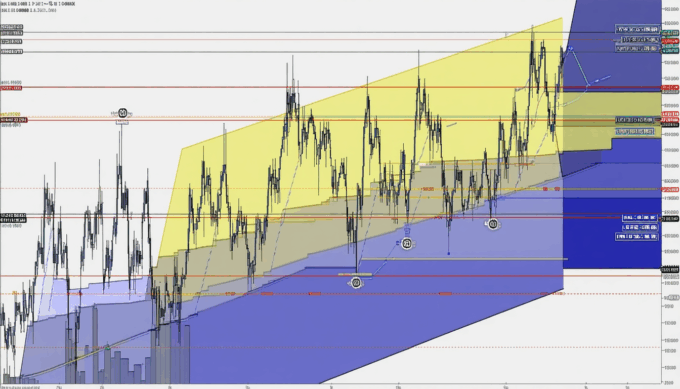
Bitcoin’s price is determined by supply and demand on open markets. Tools like CryptoCompare or CoinMarketCap can help you track value, monitor price changes, and compare exchanges. Transaction confirmation metrics—such as the number of network confirmations—indicate transaction finality.
Data & Proof: Cold, Hard Numbers
Key Bitcoin Statistics
- Over 460 million Bitcoin wallet addresses exist today, indicating growing participation (Glassnode, 2024).
- Daily transaction volume exceeds $10 billion USD on average, reflecting robust market activity (Blockchain.com, 2024).
- Roughly 900 new bitcoins are mined each day, following supply limits coded into the protocol (CoinMetrics, 2024).
What These Stats Imply
These numbers demonstrate Bitcoin’s broad adoption and active marketplace. For users, it’s evidence of widespread trust and acceptance. For investors, high transaction volumes and limited supply suggest ongoing demand and potential for appreciation, but also the volatility inherent in a young, evolving system.
Real-World Examples
Example A: Freelance Consultant Accepts Bitcoin
A software developer in the US decided to accept Bitcoin payments from overseas clients. By using a hardware wallet for added security and invoicing through a reputable payment processor, they reduced cross-border payment fees by up to 4%, saw quicker settlement, and gained exposure to Bitcoin’s appreciating value.
Example B: Investor Faces Volatility
In contrast, a first-time investor bought Bitcoin during a price surge. Within months, price fluctuations led to a 30% paper loss before markets partially rebounded. This underscores the importance of risk management when entering the Bitcoin space.
Common Mistakes and How to Avoid Them
- Not securing wallet keys: Loss of private keys means permanent loss of Bitcoin. Always back up and secure your keys.
- Chasing hype: Buying based solely on price movements or social buzz can lead to major losses. Conduct due diligence.
- Ignoring transaction fees: Small transactions can incur high network fees during peak times; always check fees before sending.
- Overlooking taxes: Bitcoin transactions are taxable in many jurisdictions; keep detailed records for reporting.
- Falling for scams: Promises of guaranteed returns are almost always frauds—use verified platforms and beware of unsolicited offers.
Implementation Checklist
- Research how Bitcoin works and evaluate your risk tolerance.
- Choose a reputable wallet solution and back up your keys securely.
- Decide how you’ll buy Bitcoin (exchange, peer-to-peer, or ATM).
- Test small transactions before moving significant funds.
- Track all transactions for both financial and tax reporting.
- Stay updated on legal and regulatory developments in your area.
Conclusion: Key Takeaways and Next Steps
Understanding Bitcoin—the world’s pioneering cryptocurrency—gives you greater confidence and flexibility in participating in the emerging digital economy. The blend of decentralized structure, finite supply, and robust security presents both opportunity and challenge. To benefit from Bitcoin, approach with caution, secure your assets, and make informed choices based on your financial goals and risk appetite. Start by learning, experimenting in small steps, and keeping security at the forefront. Bitcoin can be a powerful tool for those who engage with it wisely.










Leave a comment