


Introduction: Why Healthy Eating Matters Now
Many people today feel overwhelmed by nutrition advice and quick-fix diets, struggling to make lasting changes for their health. The core challenge isn’t just knowing what to eat—it’s developing habits that lead to a balanced diet and better wellbeing over time. By committing to healthy eating, you can overcome tiredness, reduce your risk of chronic illness, and enjoy consistent energy throughout your day. This article lays out clear, achievable healthy eating tips to empower your daily choices, with guidance rooted in scientific evidence and real-world success.
What Healthy Eating Means in Modern Life
Healthy eating involves more than simply avoiding junk food. It means consuming a variety of nutrient-dense foods that provide your body with essential vitamins, minerals, protein, healthy fats, and complex carbohydrates. Establishing a balanced diet is crucial for supporting bodily functions, sustaining mental clarity, and maintaining long-term physical health.
Why It Matters for Your Wellbeing
Embracing healthy eating directly supports outcomes such as weight management, stable energy, and a lower risk of diseases like heart disease and diabetes. For those juggling busy work and family lives, cultivating balanced eating habits lays the groundwork for improved focus, resilience under stress, and greater overall vitality. Shifting from restrictive mindsets to a practical, inclusive food approach allows you to nourish both your body and your daily life.
Core Strategies for Achieving a Balanced Diet
Understanding healthy eating is only the first step; real change comes from actionable strategies and sustainable habits. Below are five core pillars to build your foundation.
Prioritize Whole, Unprocessed Foods
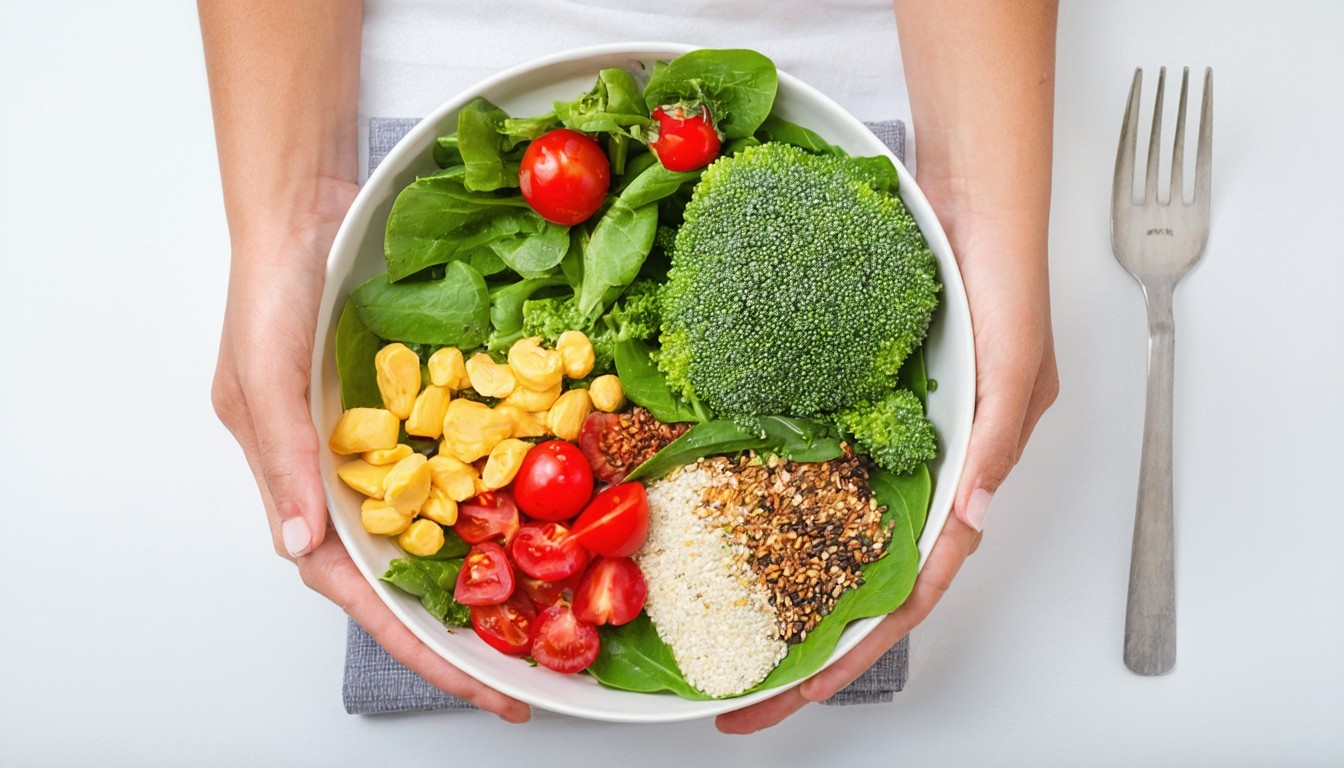
Center your meals around fruits, vegetables, whole grains, legumes, nuts, seeds, lean protein, and healthy oils. These foods retain more fiber and nutrients than processed items, contributing to balanced blood sugar and lasting satiety.
How-To Guidance
- Fill half your plate with colorful vegetables and fruits at each meal.
- Choose whole grain breads, pastas, and cereals instead of refined versions.
- Snack on nuts or fresh fruit rather than packaged desserts or chips.
Balance Macronutrients Consistently
Ensure each meal provides complex carbohydrates, lean proteins, and healthy fats to steady your energy and curb cravings.
Decision Criteria
- Aim for a quarter of your plate protein (like chicken, fish, beans) and a quarter whole grains.
- Include unsaturated fats—olive oil, avocado, or fatty fish—regularly.
Hydrate Mindfully
Hydration often gets overlooked but is essential for physical and cognitive performance.
How-To Guidance
- Drink water with every meal.
- Limit sugar-sweetened beverages like soda and energy drinks.
- Use a refillable bottle as a visual reminder.
Plan and Prep for Success
A little planning reduces the likelihood of hasty, unhealthy decisions.
How-To Guidance
- Prepare a weekly menu and shopping list centered on healthy staples.
- Batch-cook grains or proteins for multiple meals.
- Keep cut veggies or fruit on hand for easy snacks.
Practice Flexible Moderation
Balanced eating doesn’t mean rigid rules. Allowing for occasional indulgences keeps your approach sustainable and enjoyable.
Decision Criteria
- Savor favorite treats mindfully and without guilt.
- Use visual cues—like a smaller plate or pre-portioned snack—to avoid overeating.
Monitoring Progress: Tools and Metrics
Success in healthy eating is best measured by consistent habits and objective outcomes.
- Keep a simple food journal to identify patterns.
- Monitor energy, mood, and sleep as indirect health markers.
- Check waist circumference and body weight occasionally, but focus more on how you feel day to day.
Data & Proof: Healthy Eating in Numbers
Key Statistics
- Adults who eat at least five servings of fruits and vegetables per day reduce their risk of heart disease by up to 20% (Centers for Disease Control and Prevention, 2022).
- Only 1 in 10 Americans meets the daily recommended intake of fruits and vegetables (CDC, 2021).
- Diets rich in whole grains are linked to a 15% lower risk of developing type 2 diabetes (Harvard T.H. Chan School of Public Health, 2020).
What These Numbers Mean for You
These figures underscore a large gap between healthy eating recommendations and typical habits. By making incremental changes—like increasing produce or replacing refined grains—you can greatly improve your health profile and lower the risk of preventable diseases.
Practical Examples of Healthy Eating in Action
Example A: Meal Prep Yields Lasting Energy
Samantha, a busy working parent, began prepping balanced lunches every Sunday. She swapped vending machine snacks for pre-packed veggies, hummus, and brown rice bowls. Within weeks, she reported increased energy in the afternoons and fewer fast-food purchases, showing how small adjustments can snowball into measurable benefits.
Example B: Overcoming Restriction with Flexible Moderation
David struggled with eliminating desserts entirely, leading to eventual bingeing. When he allowed himself a mindful serving of dark chocolate most evenings, he satisfied his cravings without sabotaging his healthy eating efforts. His weight remained stable, and he found greater satisfaction in his daily routine.
Common Mistakes and How to Avoid Them
Many people fall into common pitfalls:
– Overemphasizing Single Foods: No single “superfood” can offset an otherwise poor diet; focus on overall balance.
– Extreme Restriction: Drastic elimination often leads to unsustainable habits and rebound eating.
– Ignoring Portion Sizes: Even healthy foods can contribute to excess calories if portions are too large.
– Skipping Meals: Skipping meals often results in overeating later and disrupts your body’s hunger cues.
To avoid these errors, aim for variety, moderation, and consistency in meal timing and portions.
Implementation Checklist: Healthy Eating Habits
- Stock your pantry with wholesome staples: whole grains, legumes, nuts, and seeds.
- Create a weekly meal plan with balanced breakfasts, lunches, and dinners.
- Prep cut veggies, fruit, or protein in advance for grab-and-go convenience.
- Use smaller plates to help moderate portions.
- Drink water before or during every meal and snack.
- Schedule time each week to reflect on what’s working and adjust as needed.
Conclusion: Your Path to Better Wellbeing Starts Today
Adopting healthy eating doesn’t require perfection, but it does call for consistent, thoughtful choices fueled by credible advice. By prioritizing whole foods, balancing nutrients, and planning ahead, anyone can build a diet that supports both vitality and pleasure. Remember, healthy eating is a lifelong practice—take incremental steps, track your outcomes, and adjust as needed. The benefits will extend far beyond your plate, weaving into better mood, energy, and long-term wellbeing.
FAQs
What is a balanced diet and why is it important?
A balanced diet provides the right proportions of nutrients from all major food groups—vegetables, fruits, whole grains, protein, and healthy fats. It helps maintain energy, supports body functions, and reduces disease risk.
How can I start healthy eating if I have a busy schedule?
Begin with simple meal prep, choose quick recipes, and keep healthy snacks on hand. Planning ahead makes it easier to stick to healthy choices despite time constraints.
Is it necessary to avoid all treats for healthy eating?
No, healthy eating includes flexibility and allows for occasional treats in moderation. Depriving yourself can backfire, so enjoy treats mindfully without guilt.
How do I measure the impact of changing my eating habits?
Track changes in energy, mood, and focus each day. Over time, you may notice consistent improvements, confirming that your dietary changes are making a difference.
Do I need supplements on a healthy diet?
Most nutrition needs can be met with a varied, balanced diet. However, certain populations may need supplements—consult a healthcare provider if unsure.
What should I do if I slip up on my healthy eating plan?
Treat it as a learning opportunity, not a failure. Refocus on your habits at the next meal rather than giving up, as healthy eating is about long-term progress.














Leave a comment